Food is one of the strongest forms of cultural identity. Long before written history, people expressed belonging through meals. Today, this connection is still powerful. Across continents, traditional cultural dishes continue to reflect heritage, memory, and community values. They are more than recipes. They are stories passed through generations. In a globalized world, food also becomes a bridge between cultures, helping people understand traditions beyond their own. At the same time, modern lifestyles are changing how these dishes are prepared and preserved. This creates both opportunities and challenges for cultural food heritage.
What makes a dish culturally traditional?
A dish becomes traditional when it is deeply connected to a region’s history and identity. It is not only about ingredients but also about meaning. Most traditional cultural dishes are shaped by local geography, climate, and available resources. For example, coastal regions rely heavily on seafood, while inland areas focus on grains and meats. Over time, these ingredients become part of cultural memory. What makes a dish truly traditional is its continuity. It is passed from generation to generation, often without written instructions, but through practice and storytelling within families.
The role of culture in shaping global cuisines
Culture plays a central role in defining what people eat and how they eat it. Religion influences food restrictions and preparation methods. Climate determines what ingredients grow naturally. Trade and migration introduce new spices and techniques. Together, these factors shape traditional cultural dishes in every region of the world. Food is also tied to rituals, celebrations, and daily routines. In many societies, eating is not just a necessity but a cultural event that reflects values and social structure.
How cultural exchange changes traditional recipes
As cultures interact, recipes evolve. Ingredients from one region are adapted into another. This creates fusion dishes that still carry traces of their origins. While some fear this dilutes tradition, it can also preserve relevance. Many traditional cultural dishes survive today because they adapt to new environments while keeping their core identity intact.
Famous traditional cultural dishes from Asia
Asia is home to some of the oldest and most diverse food traditions in the world. Japanese sushi reflects precision, simplicity, and respect for ingredients. Indian cuisine is known for its regional variety and deep use of spices, with each state offering its own interpretation of curry-based dishes. Chinese cuisine, especially dim sum, emphasizes balance, sharing, and variety. These traditional cultural dishes are not only meals but also cultural expressions shaped by centuries of refinement.
Why Asian cuisines preserve ancient cooking methods
Many Asian food traditions remain unchanged because they are closely tied to philosophy and family structure. Cooking is often seen as a skill passed down within households. Techniques are preserved through repetition rather than documentation. This helps maintain the authenticity of traditional cultural dishes even in modern kitchens.
Traditional cultural dishes from Europe
European cuisine is rich with regional diversity. Italy is known for pasta and pizza, both deeply connected to regional ingredients and traditions. French cuisine emphasizes technique, presentation, and refinement, influencing global culinary standards. Spain’s tapas culture reflects social dining and shared meals. These traditional cultural dishes are closely tied to regional identity and historical development, making them central to European food culture.
African culinary traditions and rich food heritage
African cuisine is incredibly diverse and often underrepresented globally. North African dishes rely heavily on spices like cumin, coriander, and saffron, influenced by trade routes. West African cuisine features rice, stews, and bold flavors that emphasize community dining. Food in many African cultures tells stories of ancestry and survival. These traditional cultural dishes often reflect resilience, adaptation, and strong communal values.
Middle Eastern food culture and traditions
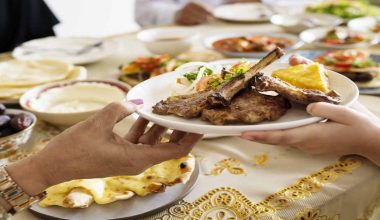
Middle Eastern cuisine is known for its shared dining style and rich flavors. Mezze, a collection of small dishes, represents hospitality and togetherness. Staples like grains, legumes, and grilled meats are commonly used across the region. Trade routes historically introduced spices that shaped the cuisine. Many traditional cultural dishes from this region have remained popular for centuries due to their balance of flavor and cultural significance.
Latin American traditional dishes and identity
Latin American cuisine is deeply rooted in indigenous traditions and colonial influences. Mexican food, such as tacos and tamales, has ancient origins tied to corn cultivation. Peruvian cuisine blends indigenous ingredients with European techniques, creating a unique fusion. Brazilian food varies widely by region, reflecting both African and Portuguese influences. These traditional cultural dishes represent identity, history, and cultural fusion.
How traditional cultural dishes are preserved today
Preserving traditional food is becoming more important in modern society. Many families continue to pass down recipes orally, maintaining authenticity. Cultural festivals celebrate heritage dishes and keep traditions alive. Cookbooks and digital platforms now document recipes that were once shared only within families. These efforts ensure that traditional cultural dishes are not lost in modernization.
Modern challenges facing traditional cuisines
Despite preservation efforts, traditional food faces challenges. Fast food culture has changed eating habits, especially among younger generations. Urbanization limits access to fresh, local ingredients. Some traditional recipes are simplified for convenience, which can reduce authenticity. These changes threaten the continuity of traditional cultural dishes, making preservation more important than ever.
The rise of global interest in traditional food
At the same time, global interest in traditional cuisine is growing. Food tourism encourages people to explore authentic local dishes. Social media has also played a major role in popularizing regional food traditions. Restaurants around the world are reviving heritage recipes to meet demand for authenticity. This global attention is helping traditional cultural dishes gain new appreciation.
How chefs are reinventing traditional cultural dishes
Modern chefs are not only preserving tradition but also reinventing it. Many combine traditional recipes with modern techniques and presentation styles. Fusion cuisine blends elements from multiple cultures into new interpretations. Fine dining restaurants often reimagine heritage dishes in innovative ways. These adaptations keep traditional cultural dishes relevant in contemporary culinary spaces.
Cooking traditional dishes at home: practical insights
Cooking traditional food at home can be challenging but rewarding. Ingredient availability is often the biggest issue, especially for regional spices or specialty products. Many home cooks adapt recipes using local alternatives while trying to maintain authenticity. Understanding balance and technique is more important than exact replication. This approach allows traditional cultural dishes to be recreated in modern kitchens without losing their essence.
Why traditional cultural dishes matter today
Traditional food is more than history. It is identity, memory, and connection. It helps people understand where they come from and how cultures have evolved. In a globalized world, traditional cultural dishes create bridges between communities. They encourage cultural respect and shared understanding. Preserving these recipes also preserves knowledge, tradition, and human connection.
Conclusion
The future of food culture lies in balance. While modernization continues to change how people cook and eat, traditional recipes remain deeply meaningful. They will evolve, but they will not disappear. With growing global interest, traditional cultural dishes are gaining new life through documentation, innovation, and appreciation. The key is to preserve their essence while allowing natural adaptation. In doing so, cultures stay connected through one of the most universal human experiences: food.