Food travel is more than just a trend; it’s a transformative experience that connects travelers to the heart and soul of the places they visit. As people become more conscious of their culinary choices and the cultural significance behind them, the popularity of food travel has surged. This journey invites adventurers not only to taste but also to understand the stories behind the dishes that define a region. In this blog, we will delve into what food travel is, why it is becoming increasingly popular, and how it enriches our travel experiences.
Understanding Food Travel
Defining Food Travel
Food travel encompasses the exploration of new places through their culinary offerings. It involves traveling to experience local cuisine, whether through street food, fine dining, cooking classes, or food festivals. This type of travel allows individuals to engage with local cultures and traditions while satisfying their taste buds. Food travel can range from a weekend getaway focused on a specific cuisine to a global expedition in search of the best dishes.
The Cultural Significance of Food
Food is a universal language, transcending barriers and connecting people. Each dish tells a story of history, tradition, and the unique cultural identity of a region. Understanding food travel means appreciating how local ingredients, cooking methods, and cultural practices shape culinary experiences. For instance, in Italy, the art of making pasta is not just about the dish itself but about family traditions passed down through generations.
Why Food Travel Is Gaining Popularity
The Rise of Culinary Tourism
Culinary tourism has emerged as a powerful force in the travel industry. According to a report by the World Food Travel Association, approximately 93% of travelers consider food an essential part of their travel experience. This statistic underscores the importance of food in enhancing the overall travel journey. As travelers seek authentic experiences, they increasingly turn to food travel to immerse themselves in local culture.
Social Media Influence
The influence of social media cannot be underestimated. Platforms like Instagram and TikTok have popularized food travel by showcasing stunning visuals of dishes from around the world. Travelers are inspired by mouthwatering photos and videos, motivating them to seek out unique culinary experiences. The hashtag #FoodTravel has garnered millions of posts, creating a community of food enthusiasts eager to share their adventures.
Health and Wellness Consciousness
As travelers become more health-conscious, many are looking for food experiences that align with their dietary preferences and wellness goals. This trend has led to the rise of farm-to-table dining, organic cooking classes, and culinary experiences focused on local, sustainable ingredients. Food travel allows individuals to explore healthy options while indulging in delicious flavors.
The Components of Food Travel
Culinary Experiences
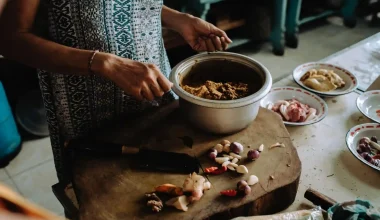
Food travel is characterized by a variety of culinary experiences that cater to different interests. From food tours that guide travelers through local markets to cooking classes that teach traditional recipes, these activities offer a hands-on approach to understanding local cuisine. For example, taking a cooking class in Thailand allows travelers to learn the art of making authentic Pad Thai while discovering the significance of each ingredient.
Street Food Adventures
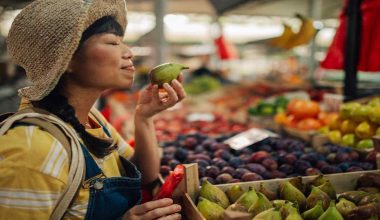
Street food is often a highlight of food travel. It provides a glimpse into a region’s culinary culture in an accessible and affordable way. Travelers can sample diverse flavors, from spicy tacos in Mexico to savory banh mi in Vietnam. Street food not only satisfies hunger but also fosters connections between locals and visitors. Engaging with street vendors often leads to fascinating conversations about the history and preparation of the dishes.
Food Festivals
Food festivals are celebratory events that showcase regional flavors, culinary traditions, and local ingredients. These festivals bring together chefs, food enthusiasts, and the community, fostering a sense of belonging. Events like the Melbourne Food and Wine Festival or the San Francisco Street Food Festival attract travelers from around the world, offering a chance to experience the vibrancy of local gastronomy.
Expert Insights on Food Travel
The Perspective of Culinary Experts
Culinary experts emphasize the importance of connecting with local chefs and food producers. Chef Marcus Samuelsson, a renowned chef and restaurateur, shares, “Food travel is about creating memories through flavors. It’s about understanding the stories behind what we eat.” Engaging with locals and learning from their experiences adds depth to the journey, transforming a simple meal into an unforgettable experience.
Tips from Travel Writers
Travel writers often recommend researching local food customs before embarking on a culinary adventure. Understanding dining etiquette, traditional dishes, and local ingredients can enhance the experience. For instance, knowing that in Japan, it’s customary to say “Itadakimasu” before eating can enrich your dining experience and show respect for the culture.
How to Plan Your Food Travel Experience
Research and Choose Your Destination
When planning a food travel experience, research destinations known for their culinary offerings. Countries like Italy, Mexico, Thailand, and Japan are famous for their vibrant food scenes. Consider factors such as seasonal cuisine, local specialties, and food festivals happening during your visit.
Create a Culinary Itinerary
Crafting a culinary itinerary can help you maximize your food travel experience. Include must-visit restaurants, local markets, and cooking classes. Be sure to leave room for spontaneity, as some of the best food experiences happen unexpectedly. For example, you might stumble upon a hidden gem while exploring a local neighborhood.
Engage with Locals
Engaging with locals is key to understanding the true essence of a destination’s cuisine. Seek out recommendations from residents, join food tours led by locals, or participate in community events. Not only will this enhance your culinary journey, but it will also create meaningful connections and memories.
The Emotional Connection to Food Travel
Food as a Memory Maker
Food has the incredible ability to evoke emotions and memories. A particular dish can transport you back to a cherished moment, whether it’s the taste of your grandmother’s homemade pasta or the aroma of spices in a bustling market. Food travel allows you to create new memories while connecting with the flavors of different cultures.
Sharing Meals with Others
Sharing meals is a fundamental aspect of human connection. Food travel often provides opportunities to gather around the table with locals or fellow travelers, fostering a sense of community. Whether enjoying a traditional feast or participating in a potluck, these shared experiences deepen relationships and create lasting bonds.
1. What are the best destinations for food travel?
Some of the best destinations for food travel include Italy, known for its pasta and pizza; Thailand, famous for its street food; Mexico, offering rich flavors in tacos and mole; Japan, with its sushi and ramen; and India, celebrated for its diverse spices and culinary traditions. Each country provides unique culinary experiences.
2. How can I find authentic local food experiences while traveling?
To find authentic local food experiences, consider joining food tours led by locals, visiting farmers’ markets, or dining in family-owned restaurants. Engaging with residents for recommendations can also lead to hidden gems. Additionally, utilizing social media platforms and food blogs can help you discover unique culinary spots that reflect local culture.
3. Is it safe to eat street food while traveling?
Eating street food can be safe and enjoyable if you choose wisely. Look for vendors with high turnover, as this often indicates fresh ingredients. Observe food preparation practices and avoid anything that appears to be sitting out for too long. Trusting your instincts and maintaining good hygiene practices will enhance your experience.
4. What types of food tours are available?
Food tours come in various forms, including walking tours, cooking classes, and market visits. Some tours focus on specific cuisines, while others highlight street food or gourmet dining. You can also find themed tours, such as those centered on local wines or desserts, allowing you to explore diverse culinary aspects of a destination.
5. How can I document my food travel experiences?
Documenting your food travel experiences can be done through journaling, photography, and social media. Keep a travel diary to note your favorite dishes and experiences. Use your camera or smartphone to capture vibrant food images. Sharing your journey on platforms like Instagram or a personal blog can inspire others and create lasting memories.