Food is more than sustenance; it’s culture, history, and art. A foodie travel adventure is about exploring flavors and traditions beyond the typical tourist path. Proper planning ensures you enjoy every bite while discovering local culture authentically. From crafting culinary itineraries to joining local food tours, each step matters. Strategic planning maximizes experiences and prevents wasted time or missed opportunities.
Setting Clear Foodie Travel Objectives
Before booking flights or tours, define your culinary priorities. Not every foodie experience fits every traveler.
Identifying Culinary Interests
Start by listing cuisine types you enjoy. Do you prefer street food, fine dining, or regional specialties? Knowing your preferences guides destination selection. Include dietary needs, adventurous tastes, or ingredient focus. This helps narrow options and ensures satisfaction at every stop.
Defining Travel Goals
Decide what success looks like. Are you seeking hidden street food gems, signature restaurants, or hands-on cooking experiences? Clear goals help you focus your itinerary and avoid random, ineffective planning. Travel goals also influence timing, duration, and the depth of engagement with local food.
Planning Trip Scope
Balance time, destinations, and activities. Overpacking leads to rushed meals or missed flavors. Strategically schedule tasting sessions, tours, and downtime. Leave room for spontaneous discoveries, as some of the best culinary moments are unplanned.
Researching Culinary Destinations
Successful food trips start with research. Target destinations with strong culinary identities.
Choosing Food-Centric Locations
Identify cities or regions renowned for their cuisine. Seek authentic experiences, local markets, or award-winning restaurants. Online food communities, blogs, and travel guides provide insights into both popular and lesser-known culinary hotspots.
Seasonal Ingredients and Festivals
Timing matters. Seasonal ingredients shape menus and flavor profiles. Food festivals showcase local delicacies, street foods, and cultural traditions. Planning trips around peak seasons maximizes authenticity and the quality of tasting experiences.
Local Food Culture and Etiquette
Understanding culture enhances your journey. Learn about dining customs, signature dishes, and acceptable behavior. Respecting local practices shows appreciation for culinary heritage and often unlocks unique experiences unavailable to casual tourists.
Designing a Culinary Itinerary
A structured plan keeps your food adventure efficient and enjoyable.
Mapping Daily Tasting Experiences
Organize meals, tours, and downtime each day. Avoid overloading on large meals. Include multiple tasting stops, such as street snacks, small plates, or cafés, to sample diverse flavors without fatigue. Prioritize quality over quantity.
Incorporating Local Food Tours
Guided food tours offer insider access to markets, hidden eateries, and regional specialties. They provide context, history, and culinary techniques that self-guided exploration might miss. Integrate tours to complement self-guided experiences strategically.
Prioritizing Must-Try Foods
Research signature dishes before departure. Rank them by uniqueness, popularity, or personal interest. Allocate time to sample these items first, ensuring you experience the culinary highlights even if schedules change.
Booking Experiences and Logistics
Even the best itinerary fails without careful logistics.
Reserving Restaurants and Tours
Popular restaurants often require bookings. Use online tools, apps, or local contacts to secure spots. Some experiences, like exclusive chef tastings, sell out quickly. Early planning avoids disappointment.
Mixing Guided and Independent Experiences
Balance guided tours with solo exploration. Guided tours provide knowledge and context, while independent visits allow spontaneity. Flexibility ensures you can adapt to unexpected discoveries without losing structure.
Transportation Between Food Spots
Efficient movement is crucial. Map distances between restaurants, markets, and tours to reduce travel time. Consider walking, biking, or public transport when feasible. Minimizing transit maximizes tasting time.
Maximizing Tasting Experiences
The act of eating becomes memorable when approached mindfully.
Mindful Tasting and Pairing
Engage all senses while tasting. Observe texture, aroma, and presentation. Pair dishes with local drinks or complementary flavors. Mindful eating enhances appreciation and helps retain the cultural context behind each dish.
Learning From Local Experts
Chefs, vendors, and guides reveal stories, techniques, and ingredients. Ask questions, take notes, and observe methods. Experts can suggest hidden flavors or preparation styles that are unavailable in guidebooks.
Documenting Culinary Adventures
Capture meals through photography, journaling, or social media. Note flavors, textures, and locations. This allows reflection after the trip and helps share insights with other travelers. Documentation also builds a personal culinary reference for future trips.
Engaging With the Local Food Scene
Immersion goes beyond eating. Participation deepens understanding and enjoyment.
Participating in Cooking Classes
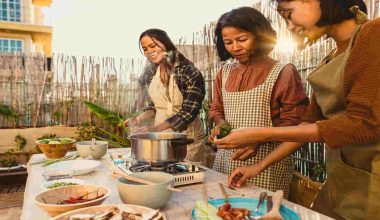
Cooking classes offer hands-on experience with local techniques. Learning traditional methods connects travelers to culture and ingredients. Classes often provide insights into sourcing, seasoning, and presentation that enhance appreciation for dining experiences.
Exploring Markets and Street Vendors
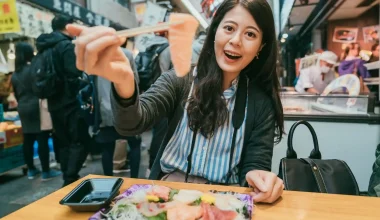
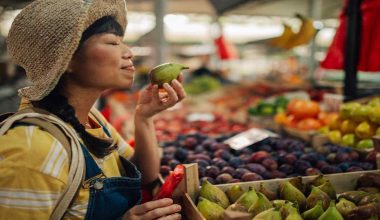
Local markets reveal authentic flavors unavailable in restaurants. Interact with vendors, sample street food, and discover seasonal products. This immersion provides context about the region’s food culture and ingredient sourcing.
Supporting Local Culinary Businesses
Ethical travel benefits communities. Purchase from small vendors, local producers, or family-run restaurants. Supporting local economies ensures the sustainability of culinary traditions while enriching your travel experience.
Wrapping Up Your Foodie Travel Adventure
Every journey concludes, but the experience lasts when reflected upon strategically.
Reflecting on Culinary Discoveries
Review your tastings, dishes, and flavors. Consider which experiences were transformative or memorable. Reflection consolidates knowledge and sharpens the taste for future adventures.
Sharing Experiences and Recommendations
Sharing insights with others contributes to food tourism communities. Post reviews, suggest local vendors, or create guides for fellow travelers. Your experiences help others plan richer adventures.
Planning Future Culinary Trips
Use lessons learned to inform subsequent travels. Identify regions, cuisines, or experiences you missed. A well-planned trip today lays the foundation for more specialized, deeper foodie travel tomorrow.
Conclusion
A foodie travel adventure combines strategy, curiosity, and mindful eating. Planning with care ensures every culinary itinerary, local food tour, and tasting experience counts. From selecting destinations to booking experiences and engaging with local food culture, a thoughtful approach elevates travel from mere tourism to a full culinary immersion. Strategic planning, cultural awareness, and flexibility transform a trip into an unforgettable journey. Every meal tells a story, and a well-executed adventure ensures you savor every chapter.