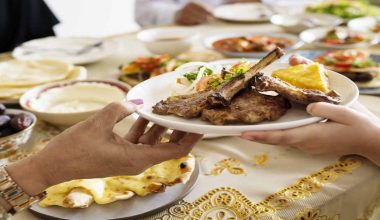
Cultural cooking is not just about following instructions. It is about understanding history, geography, and tradition through food. Every region has developed its own cooking identity based on climate, available ingredients, and generational knowledge. This is why Cultural Recipes are often more complex than standard dishes. They carry meaning beyond flavor. They represent heritage and identity. Preparing them correctly requires patience and respect for technique. Unlike everyday cooking, cultural recipes often rely on specific tools and precise methods that cannot be ignored if authenticity is the goal.
Core kitchen tools needed for complex cultural cooking
The foundation of cultural cooking begins with the right tools. While modern kitchens rely heavily on convenience appliances, traditional cooking often depends on specialized equipment that has been refined over centuries. Sharp knives are essential for precision cutting, especially in cuisines where ingredient size affects cooking time and texture. Grinding tools, such as mortar and pestle sets, are still widely used because they release oils and aromas more effectively than machines. Specialty utensils also play a role. Bamboo steamers, clay pots, griddles, and flat pans are commonly used in different regions. Each tool is designed to support a specific cooking style rather than general-purpose use. Understanding these tools is an essential part of mastering Cultural Recipes, because the equipment directly influences flavor and texture.
Traditional cookware examples across cultures
Different cultures rely on unique cookware that shapes their food identity. Clay pots are used in many Asian and African cuisines for slow, even cooking that enhances natural flavors. Woks are essential in East Asian cooking for high-heat stir-frying that preserves texture and freshness. Tagines in North African cuisine allow slow cooking with moisture retention, creating deep, layered flavors. Stone grinders are still used in South Asian cooking for pastes and spice blends that are difficult to replicate with modern appliances.
Ingredient preparation techniques that define authenticity
Ingredient preparation is one of the most important stages in cultural cooking. Many recipes require steps that go beyond simple chopping or mixing. Soaking grains and legumes is common in many cuisines to improve texture and reduce cooking time. Fermentation is another key method that enhances flavor complexity and preserves ingredients naturally. Marinating proteins allows spices and herbs to penetrate deeply, creating richer taste profiles. Pre-cooking preparation often determines the success of the final dish. Skipping or rushing these steps can significantly affect authenticity and flavor depth. Layering flavors during preparation is also essential. Many Cultural Recipes rely on building taste gradually rather than adding everything at once.
Cooking techniques that shape cultural flavor
Cooking techniques are at the heart of cultural cuisine. Each method has been developed to suit specific ingredients and environmental conditions. Slow cooking is widely used in many traditional dishes because it allows flavors to develop gradually. High-heat cooking, on the other hand, is used for quick sealing of flavors and maintaining texture. Stir-frying is a fast, high-heat technique that preserves freshness and crunch. Steaming is used to retain nutrients and natural taste without added fats. Roasting brings out deep, smoky flavors, while braising combines moisture and slow heat for tender results. Temperature control is critical. Even small changes in heat can alter the outcome of a dish. Mastering these techniques is essential for anyone working with Cultural Recipes at an advanced level.
Spice handling and flavor activation
Spices are central to cultural cooking. However, their impact depends on how they are handled. Dry roasting spices before use enhances aroma and depth. Blooming spices in hot oil releases essential oils and intensifies flavor. Layering spices at different cooking stages creates complexity rather than flat taste. These techniques are often what separate basic cooking from authentic cultural preparation.
Fermentation and preservation techniques in cultural cooking
Fermentation is one of the oldest cooking methods in the world. It is used not only for preservation but also for enhancing flavor and nutrition. Many cultures rely on fermented ingredients such as yogurt, kimchi, sourdough, and pickled vegetables. These foods develop unique flavors over time through controlled microbial activity. Pickling and curing are also widely used preservation methods. They allow ingredients to last longer while developing stronger taste profiles. Understanding fermentation is essential for advanced Cultural Recipes, as it introduces depth that cannot be achieved through fresh ingredients alone.
Regional cooking techniques and their cultural significance
Cooking techniques are deeply influenced by geography and culture. In Asia, techniques like steaming and stir-frying dominate due to historical fuel efficiency and ingredient availability. In the Middle East, slow cooking and spice layering are common. African cuisines often rely on open-fire cooking and fermentation. Latin American cooking blends grilling, boiling, and slow simmering techniques. These methods are not random. They evolved based on environment, climate, and available resources. Understanding this context helps cooks respect the origin of Cultural Recipes rather than treating them as generic instructions. Food traditions are also passed down through generations. Many techniques are learned through observation rather than written instructions, making cultural cooking a living practice rather than a static one.
Modern tools that enhance traditional cultural cooking
While traditional tools remain important, modern kitchen technology can support and improve cultural cooking when used correctly. Food processors help speed up preparation without replacing essential techniques. Induction stoves provide precise temperature control, which is useful for delicate recipes. Sous-vide cooking allows consistent results for meats and proteins. Digital thermometers help ensure accuracy, especially in recipes that depend on exact heat levels. However, these tools should support, not replace, traditional methods. A balanced approach allows cooks to maintain authenticity while improving efficiency. This combination is increasingly common in modern interpretations of Cultural Recipes.
Common mistakes when preparing cultural recipes
One of the most common mistakes is over-modernizing traditional dishes. Replacing too many traditional tools or methods can change the identity of the dish entirely. Another issue is using incorrect ingredient substitutions. While flexibility is sometimes necessary, certain ingredients define the core flavor of a recipe. Improper spice balance is also a frequent problem. Cultural cooking often relies on carefully measured spice combinations. Changing proportions too much can distort the intended taste. Timing errors, such as rushing slow-cooked dishes, can also lead to incomplete flavor development. Avoiding these mistakes is essential for maintaining the integrity of Cultural Recipes.
Building skill and confidence in cultural cooking
Mastering cultural cooking requires practice and patience. Beginners should start with foundational techniques before attempting complex dishes. Repetition is important. The more a recipe is practiced, the better the understanding of timing and flavor balance becomes. Observation is also valuable. Watching experienced cooks can reveal subtle techniques that are not always written in recipes. Cultural research adds depth. Understanding the origin of a dish improves appreciation and accuracy in preparation. Over time, confidence grows naturally as skills develop through experience.
How to preserve authenticity while adapting recipes
In modern kitchens, adaptation is often necessary. Ingredients may not always be available, and tools may differ. However, adaptation should be done carefully. The key is to maintain the essence of the dish rather than copying every detail. Flavor balance, cooking method, and texture should remain consistent even if substitutions are made. Respect for origin is important. Cultural Recipes carry history, and adapting them should not erase their identity. Ethical cooking involves acknowledging the cultural background of dishes and avoiding unnecessary distortion.
Conclusion
Cultural cooking is a combination of tools, techniques, and understanding. It is not just about following instructions but about respecting tradition and process. The right equipment, from traditional cookware to modern appliances, plays a key role in achieving authenticity. Techniques such as fermentation, slow cooking, and spice activation define the depth of flavor in many dishes. At the same time, modern tools can support efficiency without replacing tradition. Ultimately, success with Cultural Recipes depends on balance. Respecting heritage while embracing practical innovation creates the best results. With patience, practice, and awareness, anyone can move beyond basic cooking and truly understand the art of cultural cuisine.